Blanchisseuse is where the North Coast Road runs out of steam. The village is strung along the hillside above the sea, with small houses, a church, a few shops and views across the water. Beyond it, there is no road along the coast, only a forest trail that winds on towards some of the most remote beaches in Trinidad. The best known is Paria Bay, with a waterfall a short walk inland, and the walk there is one of the classic hikes of the Northern Range.
The village at the end of the road
Blanchisseuse is reached either along the North Coast Road from Maraval, past Maracas and Las Cuevas, or over the Northern Range from Arima on the Arima-Blanchisseuse road. Both routes are winding and slow, through thick forest and around hairpin bends, and both are part of the charm of getting here.
The village itself is small and peaceful, a place where people still greet each other on the road. There are beaches along this stretch, but the sea is often rough, with strong currents, so swim with care and only when conditions are calm. Mornings are quiet, and evenings bring a cool breeze off the sea.
The Marianne River
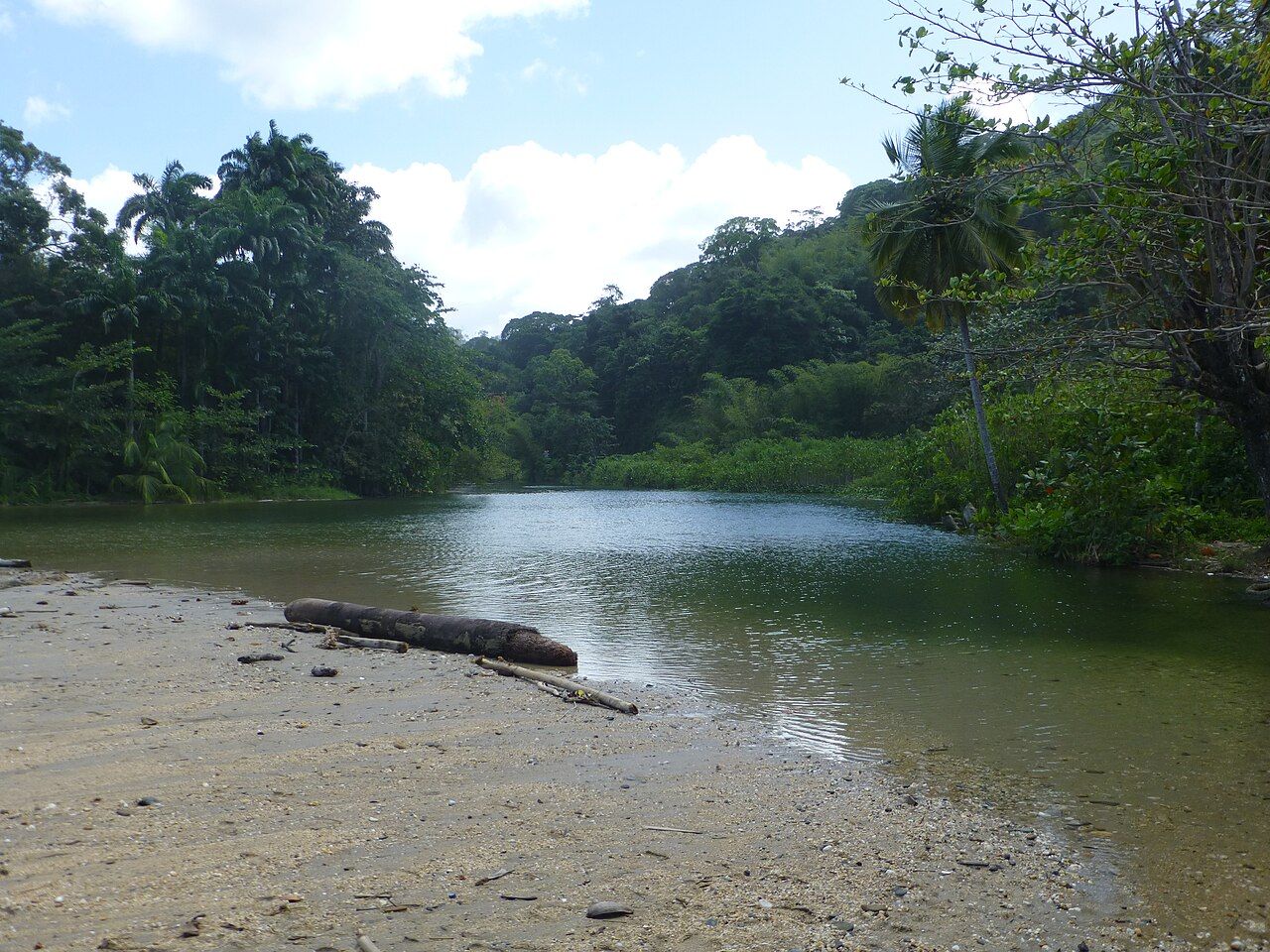
Just east of the village, the Marianne River flows out of the forest and meets the sea. Near its mouth the river widens into a calm, green pool, separated from the waves by a bar of sand. It is a lovely place to swim in fresh water, to float and watch the forest on the banks, or simply to sit and listen to the surf on the other side of the sand.
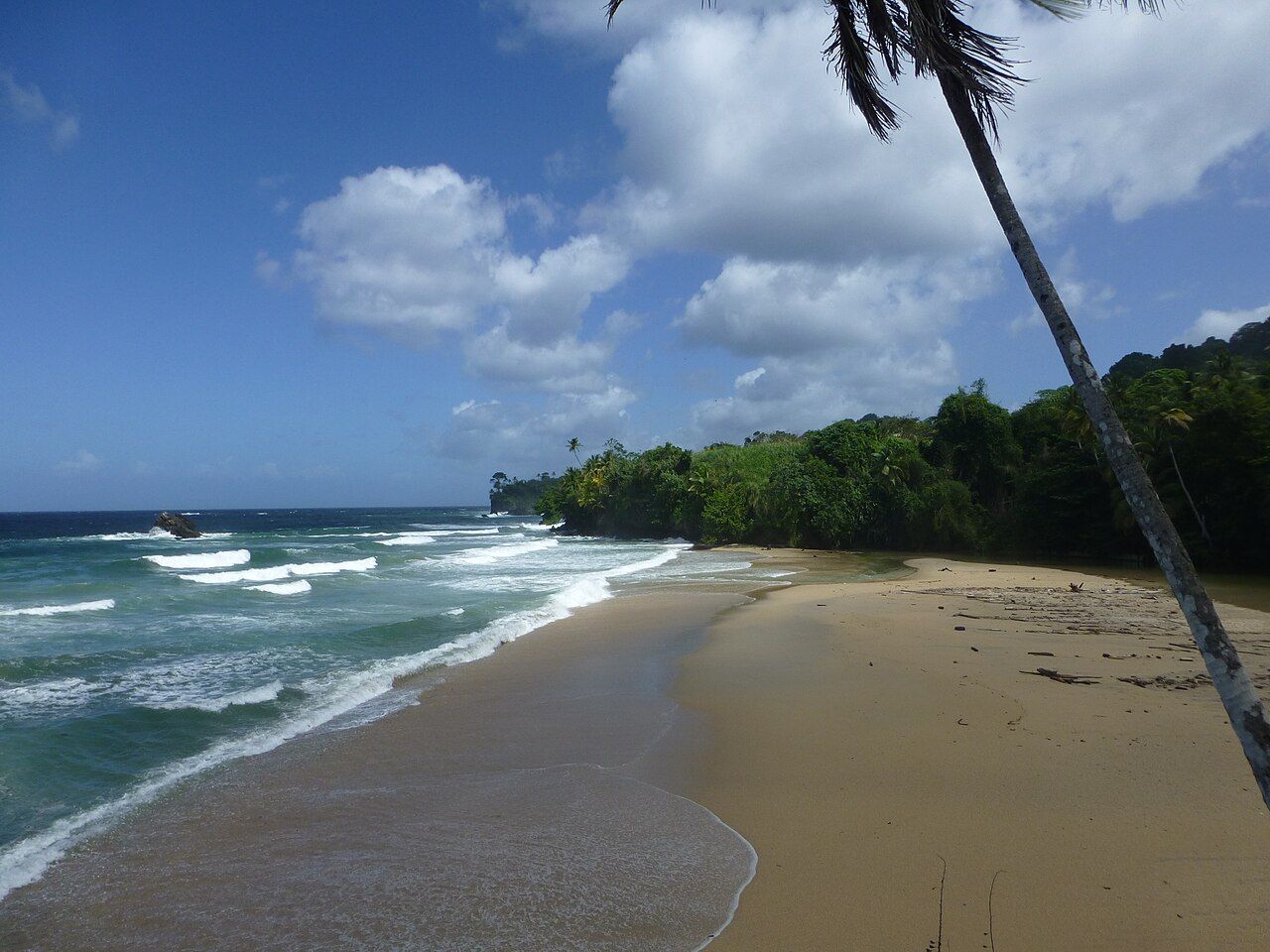
Upstream, the river runs through a deep, forested valley, with rocks, small falls and pools. Some people walk or paddle up the river from the mouth. If you go upstream, watch your footing on slippery rocks and remember that rivers here can rise very quickly after rain in the hills.
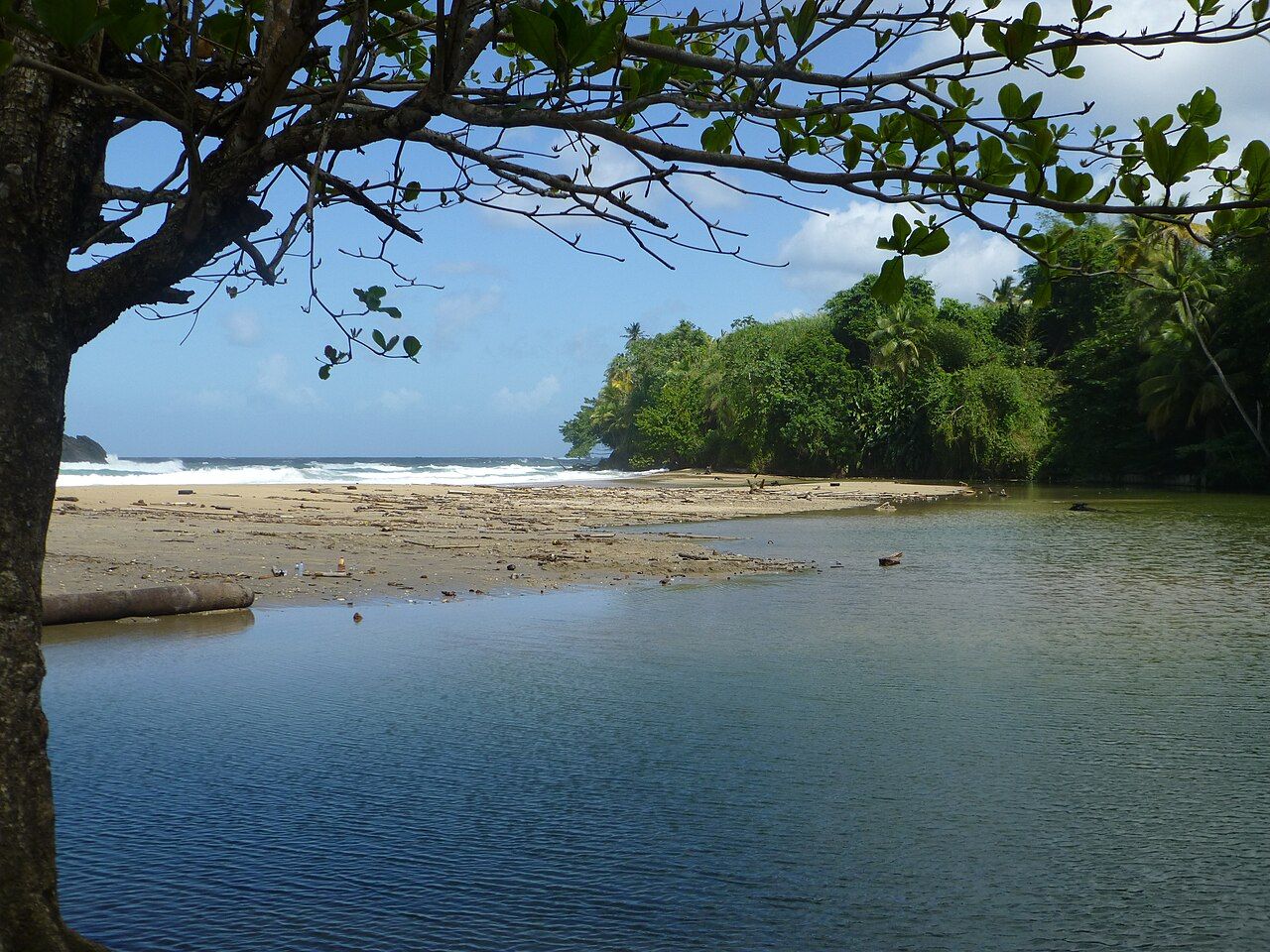
The Marianne makes a good half-day outing on its own, or a place to cool off after the walk to Paria.
The trail to Paria Bay
The trail to Paria starts near the end of the road east of Blanchisseuse and follows the coast through forest, sometimes high above the sea, sometimes dropping down to small bays and streams. The distance is several kilometres each way, and most walkers take a few hours to reach Paria, depending on pace, conditions and stops. Allow a full day for the round trip, start early and turn back in good time if you are slower than expected.
The path can be muddy and slippery, with roots, rocks, stream crossings and some steep sections. Shade from the forest helps, but it is hot and humid work. Carry plenty of water, more than you think you need, along with snacks, a hat, sun protection and a small first aid kit. Shoes with good grip are essential.
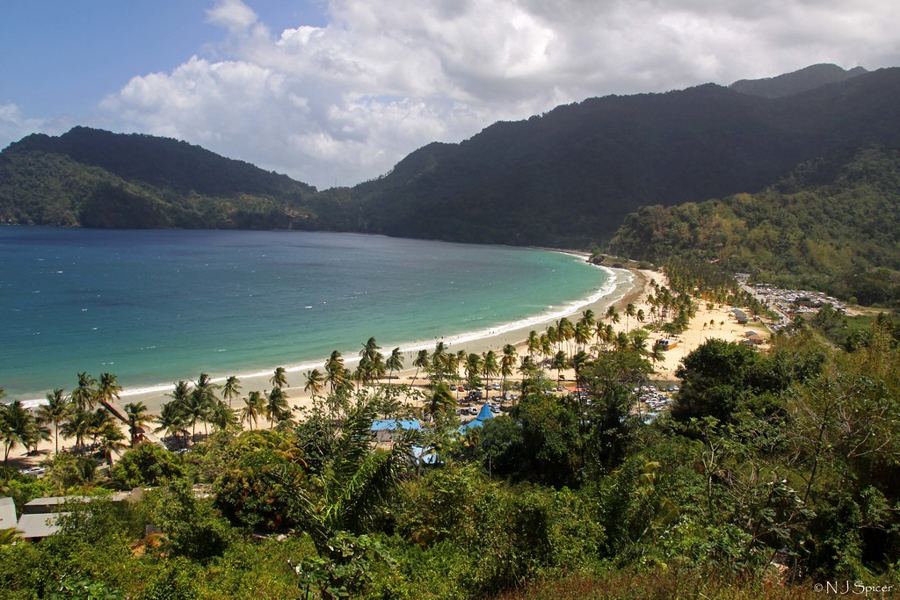 Another lime · Northern RangeOver the hills to Maracas and Las Cuevas
Along the way, the forest is full of life. Look for hummingbirds, tanagers and other forest birds, and listen for howler monkeys. Butterflies drift across the path, and lizards dart away from your feet. Glimpses of the sea through the trees, blue against the green, are the reward for each climb.
Paria Bay and its waterfall
Paria Bay is a wide, wild beach facing the open sea, backed by forest and far from any road. The sea here can be rough, with strong currents, so take great care if you swim, and do not go in when the waves are high. Turtles nest on some north coast beaches in season, so watch where you walk on the upper sand and leave any nests alone.
A short walk inland from the bay, a stream leads to the Paria waterfall, where water drops into a pool surrounded by forest. It is a beautiful spot to rest, swim and eat lunch before the long walk back. The pool and stream are fed by rain in the hills, so treat them with the same caution as any river in the range.
Going in a group
This is a remote walk. There is no road access to Paria, mobile phone signal can be patchy, and help is far away if something goes wrong. For these reasons, it is wise to walk in a group, ideally with someone who knows the trail, rather than alone.
- Walk with at least one other person, and ideally a small group.
- Consider a local guide, especially if you do not know the trail.
- Let someone not on the walk know your route and when you plan to return.
- Start early and keep an eye on the time; do not get caught on the trail at dark.
- Avoid the walk after heavy rain, when paths are slippery and streams can flood.
Some experienced hikers continue east from Paria towards Matelot, on a much longer trek along the coast that takes more than one day. That is a serious undertaking and needs careful planning and local knowledge.
Planning your visit
Blanchisseuse is a long drive from Port of Spain, so many visitors make a weekend of it, combining the walk with time at the river and the beaches. The drive along the North Coast Road past Maracas makes a natural first stage, while the road over the hills from Arima passes the forest birding of the Arima Valley.
Bring cash, as facilities in the village are limited, and fill up with fuel before leaving the larger towns. Above all, take your time. Blanchisseuse is a place to slow down, and the walk to Paria rewards those who go steadily and look around them.