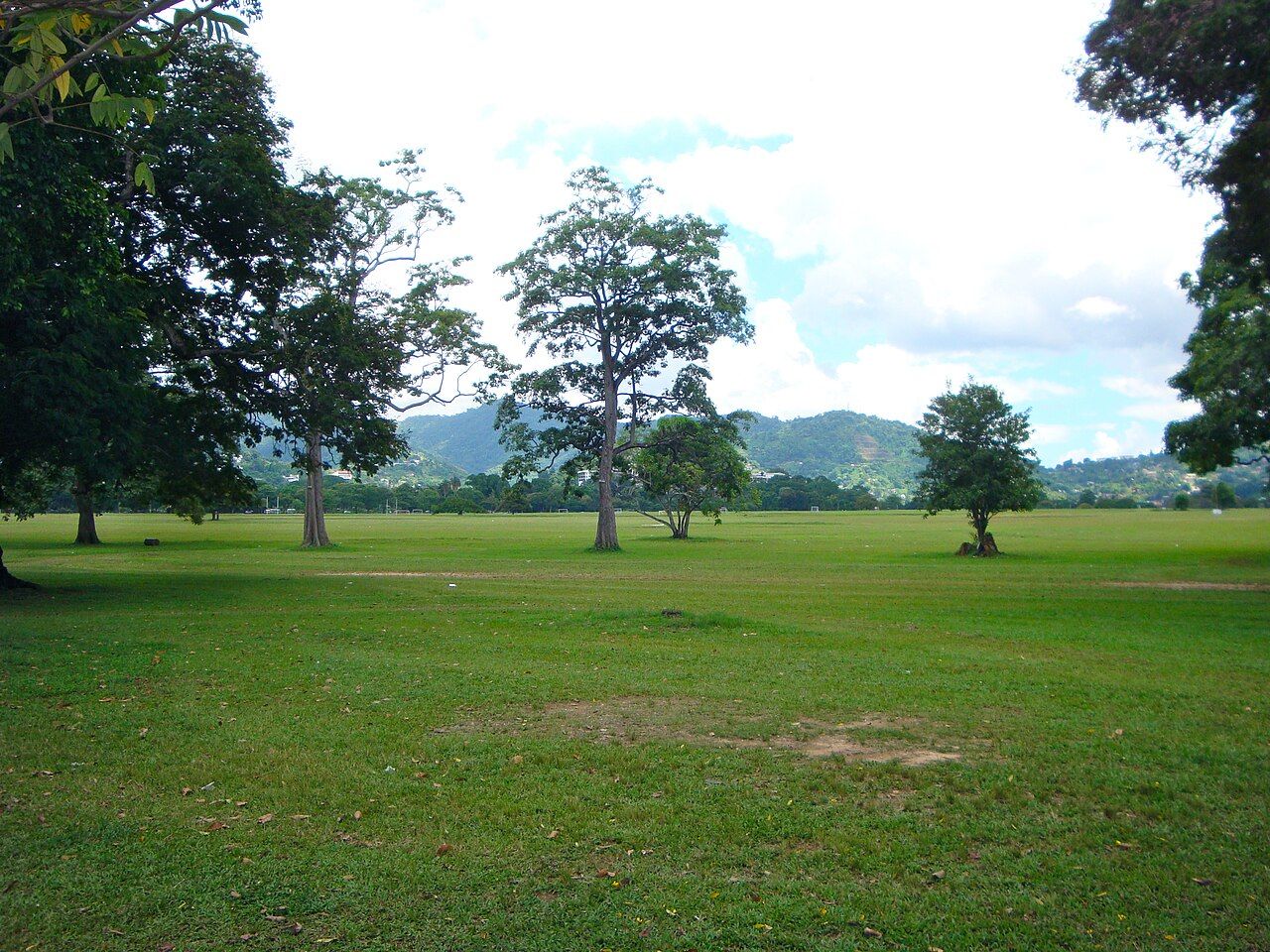
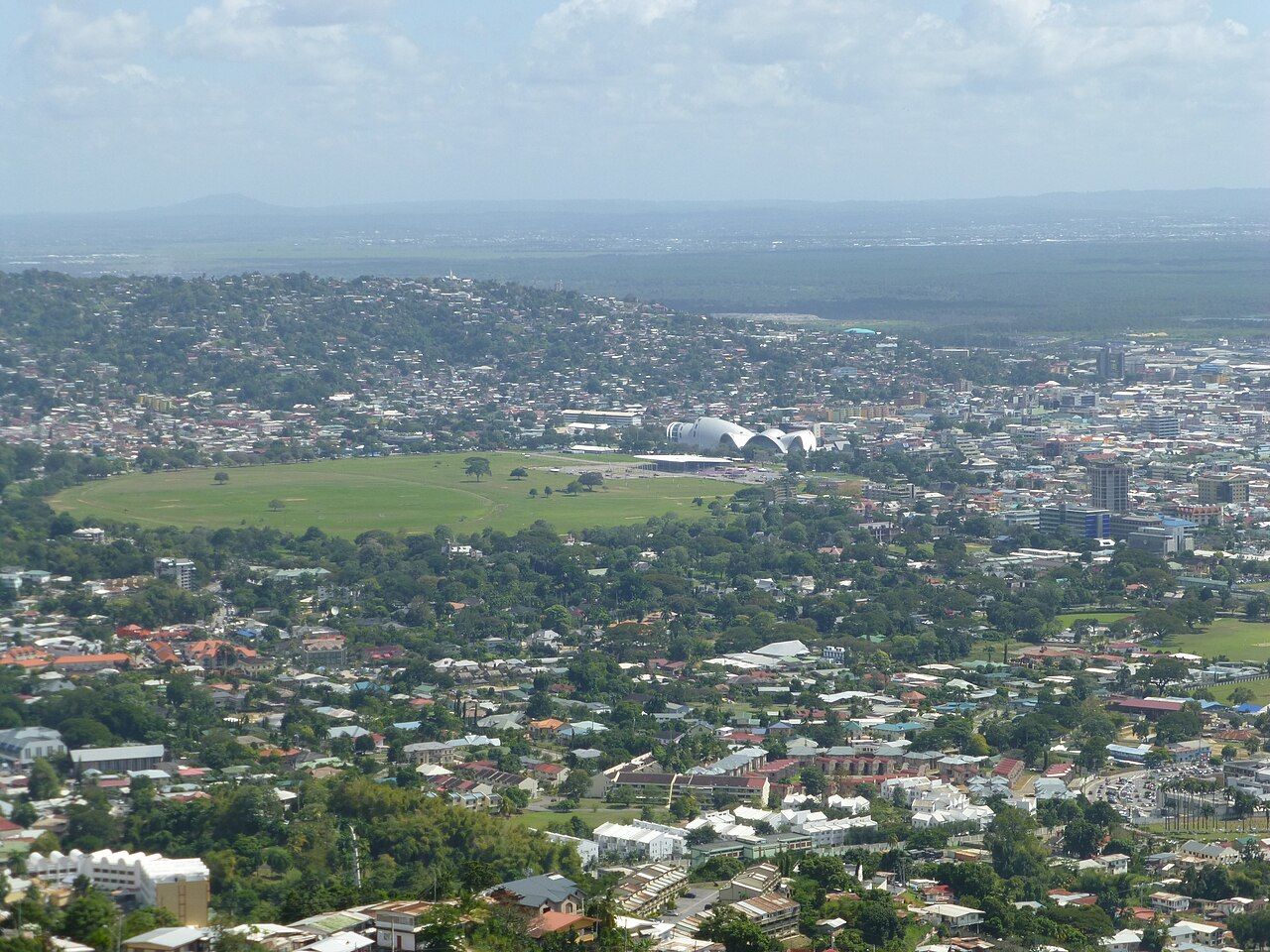
Port of Spain can feel busy and hot, with traffic, noise and crowded streets. Then you reach the Queen's Park Savannah, and the city opens out. This huge green space, ringed by trees and a one-way road, is the city's playground, gathering place and stage, used for cricket and football, kite flying, evening walks and, above all, Carnival. Around its edges stand grand old houses, the Botanic Gardens and other landmarks, and a slow loop of the Savannah is one of the best ways to understand the capital.
The Queen's Park Savannah
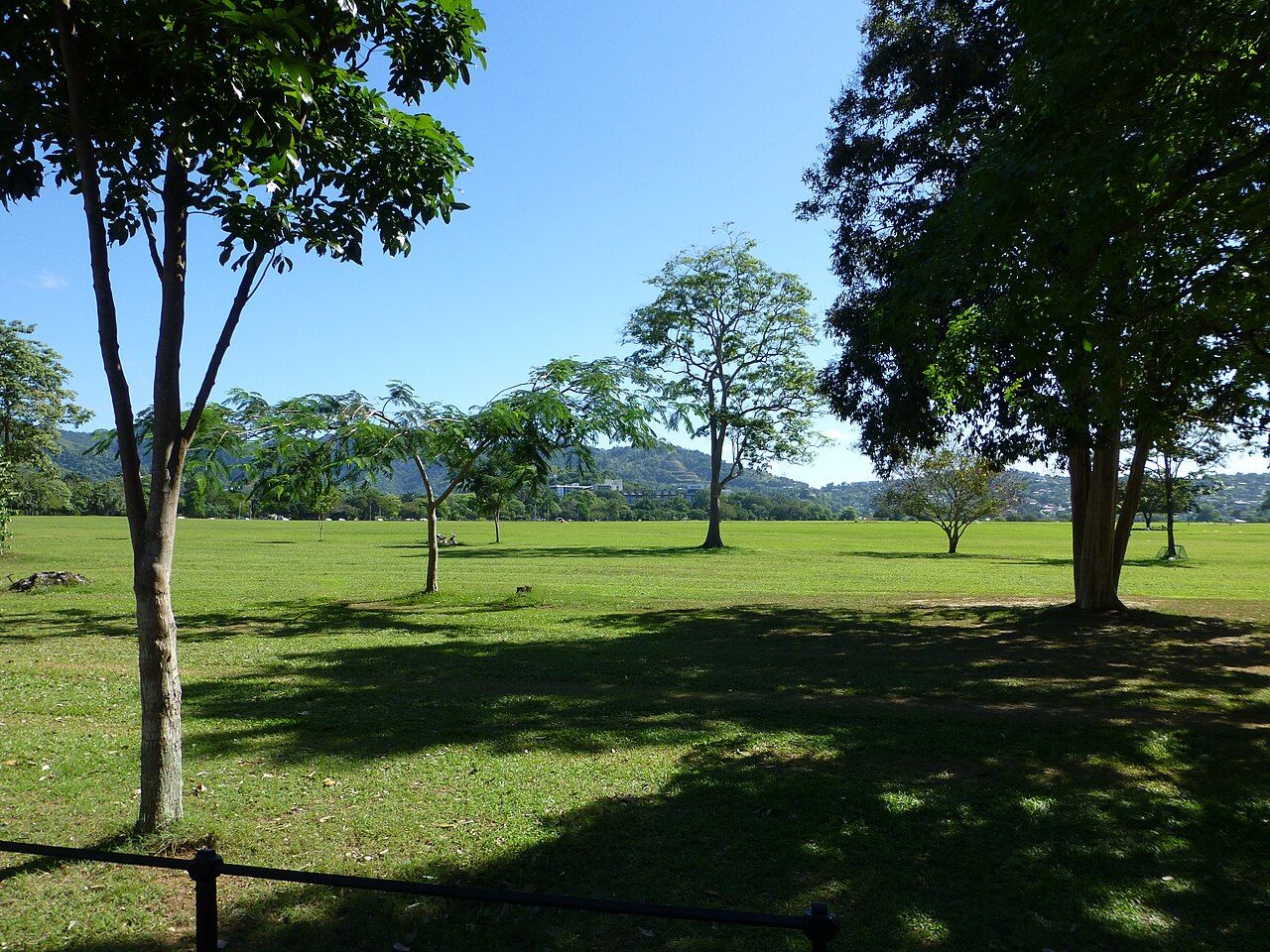
The Savannah is a broad, open park of grass and scattered trees, with the green slopes of the Northern Range rising to the north. A wide road circles it, carrying traffic in one direction, and a footpath runs around the edge. Walking the full loop takes about an hour at an easy pace, longer if you stop to look around.
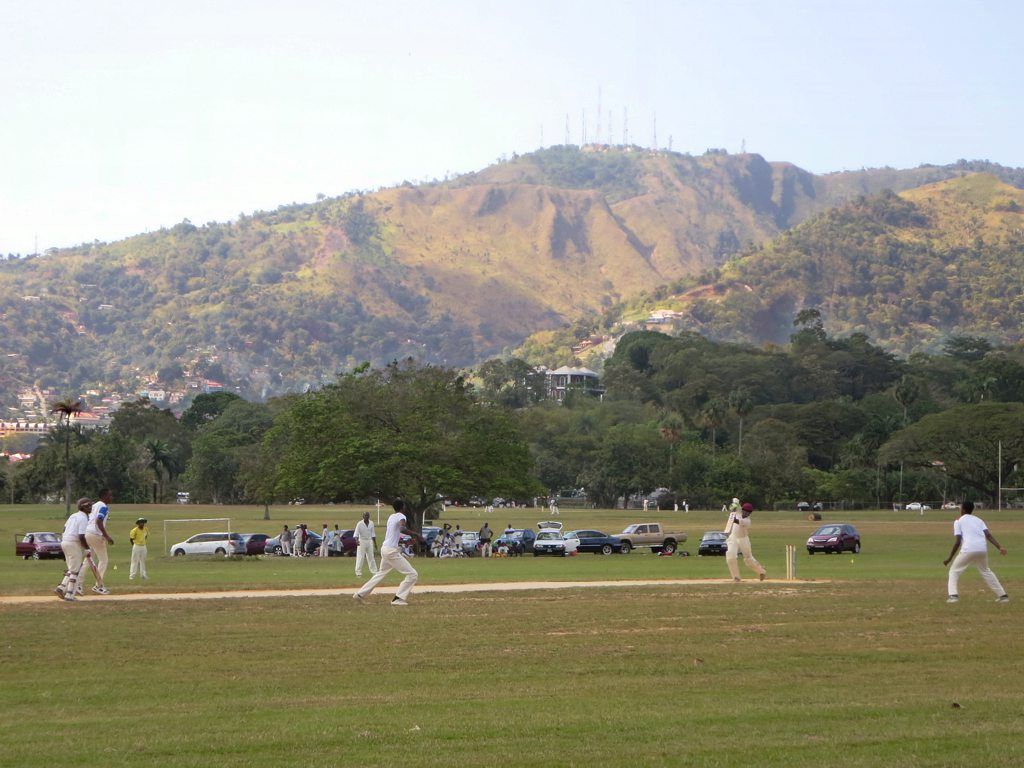
Early mornings and evenings are the busiest times, when joggers, walkers and families come out to enjoy the cooler air. Games of cricket and football spring up on the grass, children fly kites in the dry season, and groups of friends gather to lime, as Trinidadians say when they hang out. In the heat of the day, the trees around the edge offer welcome shade.
Look out for the great trees around the edge of the park, some of them very old. In the dry season, flowering trees add splashes of pink, yellow and orange to the green, and their fallen blossoms carpet the ground. Kiskadees, with their loud calls and yellow bellies, are everywhere, and vultures circle high overhead on warm afternoons.
The Savannah is also the centre of Carnival. Temporary stands and stages go up for the season, and the big competitions and parades pass through here. The guide to Carnival season explains how it all works.
The Magnificent Seven
Along the western side of the Savannah stands a row of grand houses built in the late nineteenth and early twentieth centuries, known as the Magnificent Seven. Each is different, reflecting the tastes and wealth of the families who built them and a mix of European styles.
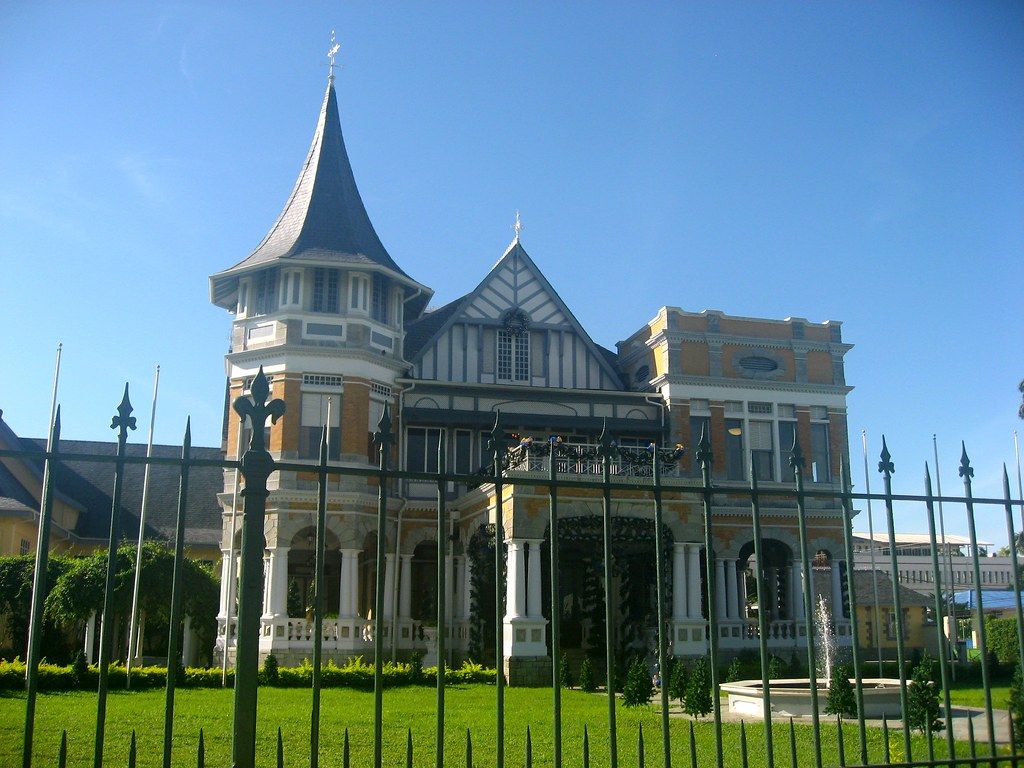
The houses include a castle-like building with turrets, the residence of the Catholic archbishop, a grand school and several elaborate private homes with towers, verandahs and decorative ironwork. Some have been restored, some are used by government or institutions, and some have suffered from age and neglect over the years. Most are not open to the public, but they can be admired from the pavement.
Walk slowly along this side of the Savannah to see the details: carved woodwork, tiled roofs, cast-iron railings and fanciful towers. Morning light is often best for photographs.
Walk slowly along this side of the Savannah to see the details: carved woodwork, tiled roofs, cast-iron railings and fanciful towers.
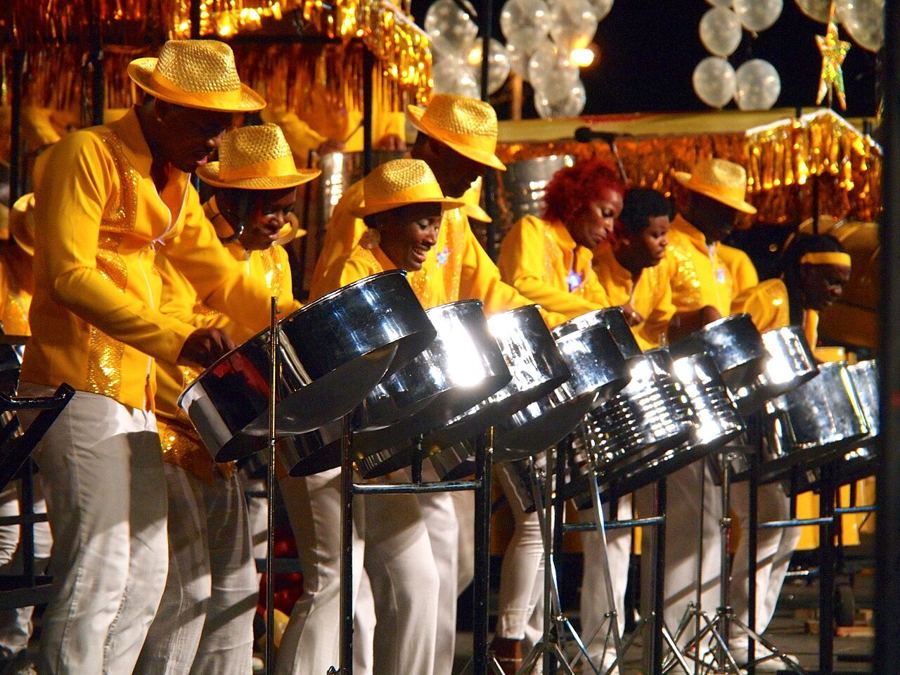 Another lime · Port of SpainCarnival season, from J'ouvert to the last lap
The Botanic Gardens
On the northern side of the Savannah lie the Royal Botanic Gardens, among the oldest botanic gardens in the Western Hemisphere. Laid out in the early nineteenth century, they cover a gentle slope at the foot of the hills, with winding paths, lawns and a remarkable collection of trees from Trinidad and around the tropical world.
It is a peaceful place to wander, especially in the morning. Look for flowering trees, palms, giant buttressed trunks and birds such as kiskadees, tanagers and hummingbirds. The President's House stands next to the gardens, and the city's zoo is nearby. Benches in the shade make the gardens a good place to rest during a walk around the Savannah.
The gardens are best enjoyed without a plan. Pick a shady path, follow it uphill, and stop wherever a tree or a bird catches your eye. Many of the trees carry labels with their names, which is a quiet pleasure for anyone curious about tropical plants. Bring water, as there may be little on sale inside, and avoid the hottest hours around midday.
The National Museum and Woodford Square
Near the southern edge of the Savannah, the National Museum and Art Gallery holds collections covering the natural history, archaeology, history and art of Trinidad and Tobago. Exhibits cover the islands' first peoples, colonial history, Carnival and the work of local artists. Opening hours and any charges vary, so check before you go.
From the Savannah, it is a walk of about twenty minutes or so south into the older heart of the city to Woodford Square. This leafy square is surrounded by important buildings, including the Red House, the seat of Parliament, and Holy Trinity Cathedral. The square has long been a place for public speaking and political debate, and it played a key role in the islands' move towards independence.
The streets around the square are busy and full of life, with shops, offices and street vendors. Keep an eye on your belongings in crowds, as in any city, and stick to busy areas after dark.
Street food and evenings
As the sun goes down, the southern side of the Savannah comes alive with food vendors. Stalls and vans sell coconut water straight from the nut, corn soup, oysters with hot sauce, grilled corn, and many other snacks. Prices are generally modest; bring cash. Walking along the stalls and choosing a few things to try is one of the easiest pleasures in Port of Spain. The guide to doubles, roti and bake and shark has more on what to try.
Evenings at the Savannah are relaxed and sociable, with families, couples and groups of friends out enjoying the cooler air. Stick to well-lit, busy areas, take a taxi rather than walking long distances after dark, and keep valuables out of sight. Check your own government's current travel advice for general guidance before your trip.
A simple plan for a first day works well. Start with an early walk in the Botanic Gardens while the air is cool, then follow the western edge of the Savannah past the Magnificent Seven. Spend the late morning in the National Museum, out of the heat, and eat lunch somewhere nearby. Rest through the hottest part of the afternoon, then return to the Savannah at sunset for a coconut water and a snack from the stalls.
Getting around the Savannah is easy on foot, but distances in Port of Spain can be greater than they look on a map, and the sun is strong. Route taxis, shared cars that run fixed routes, pass along the main roads, and the guide to getting around Trinidad explains how they work.
If you have more time in the city, a morning trip west to the Chaguaramas peninsula or north over the hills to Maracas Bay makes an easy contrast to the streets.