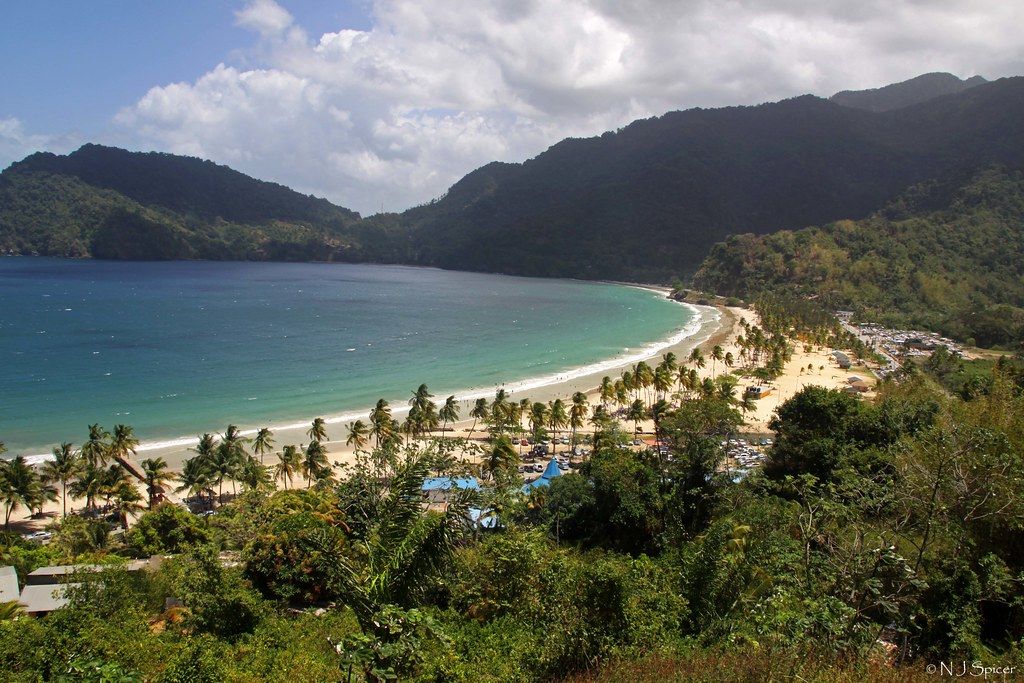
For people in Port of Spain, the north coast is the beach next door. Within an hour or so of the city, a winding road climbs over the Northern Range and drops to a coast of steep green hills, sheltered bays and pale sand. Maracas Bay is the best known of these beaches and the busiest at weekends, but beyond it lie Tyrico, Las Cuevas and quieter coves, each with its own character. The drive itself, with its hairpin bends and sudden views of the sea, is half the point of going.
The road over the range
The North Coast Road starts from Maraval, on the northern edge of Port of Spain, and climbs steeply into the hills. It was built in the 1940s, during the Second World War, at a time when American forces were based in Trinidad, and it opened up a coast that had been hard to reach by land.
The road is narrow and twisting, with steep drops on one side, blind corners and the occasional maxi taxi, the shared minibuses that run fixed routes, coming the other way at speed. Drive slowly, use your horn on blind bends if locals do, and do not stop on the road itself. If you are prone to car sickness, take something before you leave.
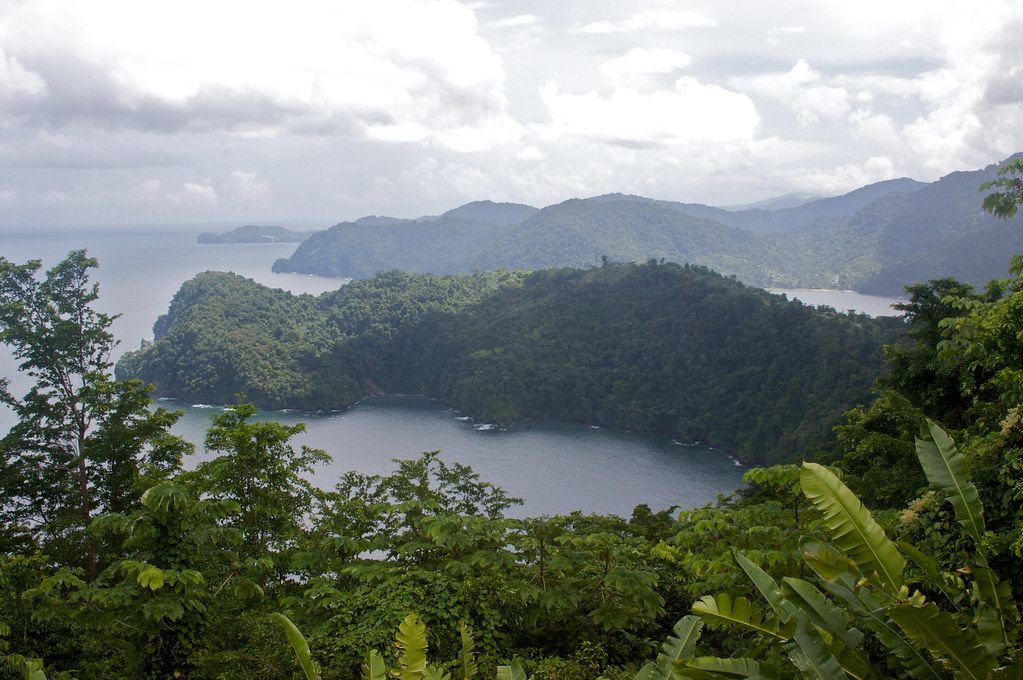
As you crest the range, the views open out. The forested hills fall away to the sea, and on a clear day you can follow the coastline for miles. Lookouts along the way have space to pull in, and vendors often sell drinks, fruit and snacks there. Stop, stretch your legs and look out for frigatebirds and vultures riding the wind above the cliffs.
Maracas Bay
Maracas Bay is a wide, curving beach of soft sand backed by palms and the steep slopes of the Northern Range. The water is often a deep blue-green, and on calm days it is lovely for swimming. At weekends and on public holidays it fills with families, friends liming, music and the smell of frying fish. On a weekday morning it can be surprisingly quiet.
The beach has had facilities such as changing rooms, toilets and parking, and lifeguards are usually on duty during set hours. What is available and when can change, so check before you go. Follow the lifeguards' flags and instructions; they know the sea here.
Maracas is also the home of bake and shark, one of Trinidad's best-loved beach foods: a fried piece of fish tucked into a puffy fried bread called bake, then loaded at a self-serve counter with sauces and toppings such as tamarind, garlic sauce, shado beni, pineapple and coleslaw. Prices are modest in general terms; bring cash. The guide to doubles, roti and bake and shark has more on Trinidad's street food.
The drive itself, with its hairpin bends and sudden views of the sea, is half the point of going.
 Another lime · Northern RangeBlanchisseuse and the long trail to Paria Bay
Tyrico and Las Cuevas
Just east of Maracas, Tyrico Bay is smaller and usually quieter. It can have bigger waves at times and is popular with surfers when the swell is right. If Maracas is crowded, Tyrico can be a calmer place to sit, though swimming conditions vary, and it is worth checking with lifeguards or locals before you go in.
Further along the coast, Las Cuevas Bay is a long, gently curving beach named for the small caves in the rocks at its edges. It has a reputation for being cleaner and calmer than Maracas, and for a more relaxed mood even at weekends. Families come for the shallow water at some times of year, and the sand is wide enough for long walks. Facilities and lifeguard hours vary, so check before you go.
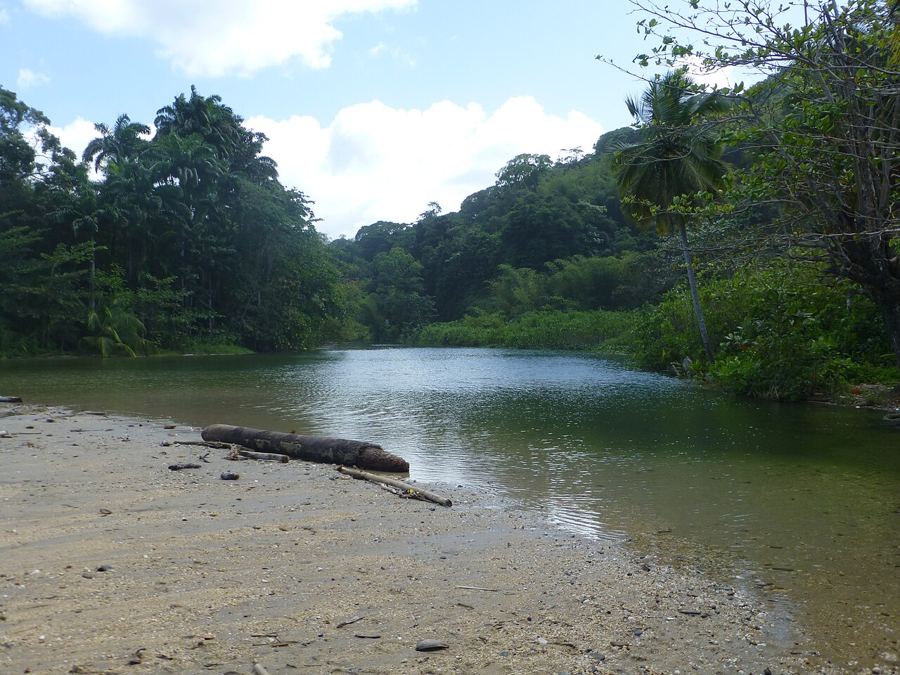
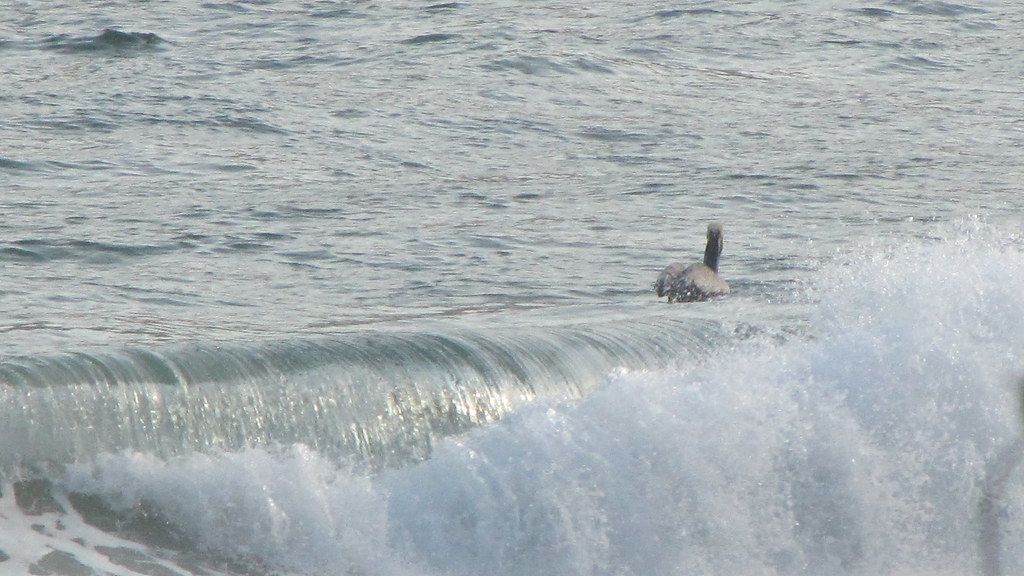
Between the main beaches, the road passes small coves and river mouths where fishing boats are pulled up on the sand. Some of these spots have no facilities and no lifeguards, and the sea can be rougher than it looks, so treat them as places to look rather than swim. Pelicans dive offshore, and frigatebirds hang almost motionless above the headlands, waiting for a chance to steal a meal.
Beyond Las Cuevas the road continues east past smaller bays and fishing villages towards Blanchisseuse, where it eventually ends. The traffic thins out, the forest presses closer to the road, and the coast feels wilder with every bend.
Sea conditions and staying safe
The north coast faces the Caribbean Sea and is generally calmer than the Atlantic beaches of the east, but conditions change with the seasons and the weather. From around November to April, swells can roll in from the north, bringing bigger waves and stronger currents. At any time of year, rip currents can form.
- Swim where lifeguards are on duty and stay between their flags.
- If a red flag is flying or lifeguards say not to swim, stay out of the water.
- If you are caught in a current, do not fight it; swim parallel to the shore until it eases.
- Keep an eye on children at all times, even in shallow water.
- Take valuables with you or leave them at home, and do not leave anything visible in a parked car.
The sun is strong, so use sunscreen, wear a hat and drink plenty of water. Shade under the palms and almond trees goes quickly on busy days, so arrive early if you want a good spot.
Planning the day
Pack simply: swimwear, a towel, sunscreen, a hat, water and some cash for food and parking. A light shirt helps when the sun is high, and a bag for wet things keeps the car dry on the way home. Many families bring a cooler and folding chairs and settle in for the whole day, and there is no better way to enjoy the coast than to do the same.
Start early to beat the traffic and the heat. Weekends, especially Sundays, are the busiest days on the north coast, and the road out of Port of Spain can be slow on the way back in the late afternoon. If you can, go on a weekday.
Maxi taxis and route taxis serve the north coast, though services can be infrequent and are thinner in the evenings; the guide to getting around Trinidad explains the system. Many visitors find it easiest to drive, but take the road slowly and avoid driving it after dark if you are not used to it.
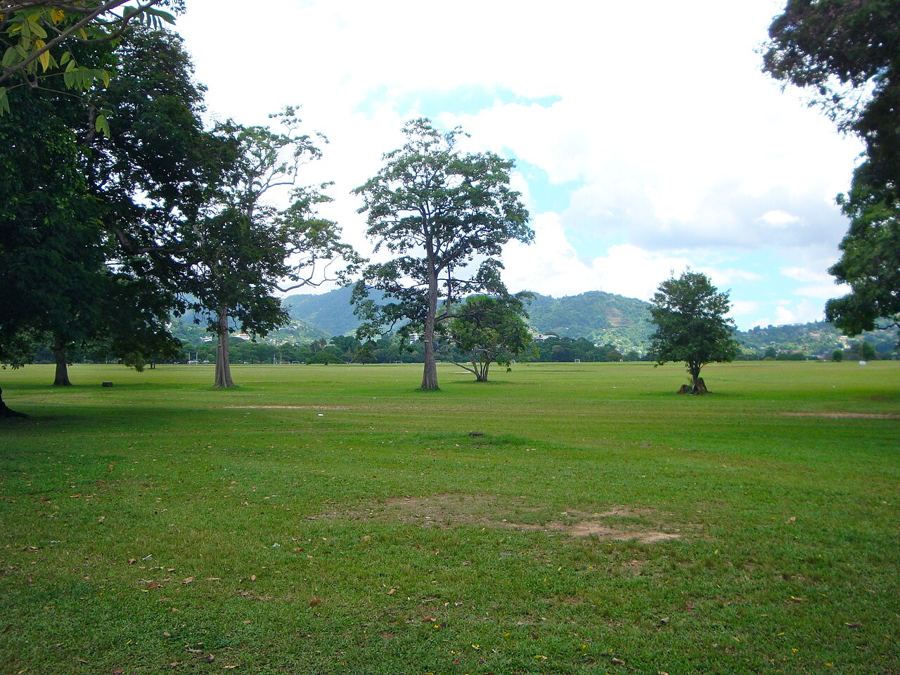
For a longer trip, carry on to Blanchisseuse and the trail to Paria Bay, or spend another day in the city around the Queen's Park Savannah. Either way, the north coast is a place to slow down, swim, eat well and watch the hills turn gold in the late afternoon light.