Trinidad has no railway and few signposted bus stops, yet getting around without a car is possible once you understand the informal-looking system that most people use every day. Shared minibuses called maxi taxis run along fixed routes, ordinary cars work as route taxis, public buses run on a dedicated road out of the capital, and a ferry and short flights connect the two islands. The system can seem confusing at first, but locals are generally happy to point you to the right vehicle.
Maxi taxis and their colour bands
Maxi taxis, usually called maxis, are minibuses that carry a dozen or more passengers along set routes. Each has a coloured band painted along its side that shows the region it serves. Yellow bands generally serve Port of Spain and the west, toward Diego Martin and Chaguaramas. Red bands run east from the capital along the corridor to Arima and beyond. Green bands cover the south and central routes, toward Chaguanas and San Fernando. Other colours serve particular areas further south, and in Tobago maxis carry their own band.
You can board at a terminus, where maxis wait until they fill before leaving, or flag one down along its route by raising your hand. Tell the driver where you want to get off, or say "car stop" or simply call out as you approach your stop. Fares are paid in cash, often when you get off, and are low; carry small notes and coins and check the current fare with the driver or other passengers before you go. Maxis are quick and frequent on the main routes during the day, but service thins in the evening and on Sundays.
Route taxis and H plates
Route taxis are private cars that run along fixed routes like the maxis, picking up and dropping off as they go. They carry several passengers, and you share the ride. The key thing to know is the licence plate: vehicles licensed for hire carry plates starting with the letter H. Private cars have plates starting with P. Only take a car with an H plate.
In Port of Spain, route taxis leave from stands around the city centre, each serving particular areas, and you will hear drivers calling destinations. Outside the city, you can wave one down on the main roads. Fares are set by route and paid in cash; ask before you get in if you are unsure. For trips off the main routes, or at night, it is usually better to arrange a private taxi through your accommodation.
Buses and the Priority Bus Route
The public bus service runs a network of routes across Trinidad, with its main terminus at City Gate in Port of Spain. The most useful line for visitors runs east along the Priority Bus Route, a dedicated road reserved for buses, maxis and other authorised vehicles that avoids much of the traffic on the parallel highways. Express buses also run toward San Fernando and other towns. Tickets are generally bought before boarding at terminals, and routes and frequencies change, so check before you go.
 Another lime · BasicsDry season, rainy season and staying safe
Buses are comfortable and inexpensive, but they run less often than maxis and are not always as quick for short hops. For a day trip to a nearby town they can be a calm option.
Driving on the left
Traffic in Trinidad and Tobago drives on the left. Hiring a car gives the most freedom for reaching beaches, forest trails and villages off the main routes, and many visitors do. Roads range from multi-lane highways to narrow, winding mountain roads such as the one over the Northern Range to Maracas and the north coast, where you need patience and a light touch on the brakes.
Traffic around Port of Spain and along the east-west corridor can be heavy, especially on weekday mornings and evenings. Potholes appear after heavy rain, and some rural roads have no shoulder. Drive defensively, avoid unfamiliar back roads after dark, and keep valuables out of sight in a parked car. Check what your licence and insurance cover before you go.
The ferry and flights to Tobago
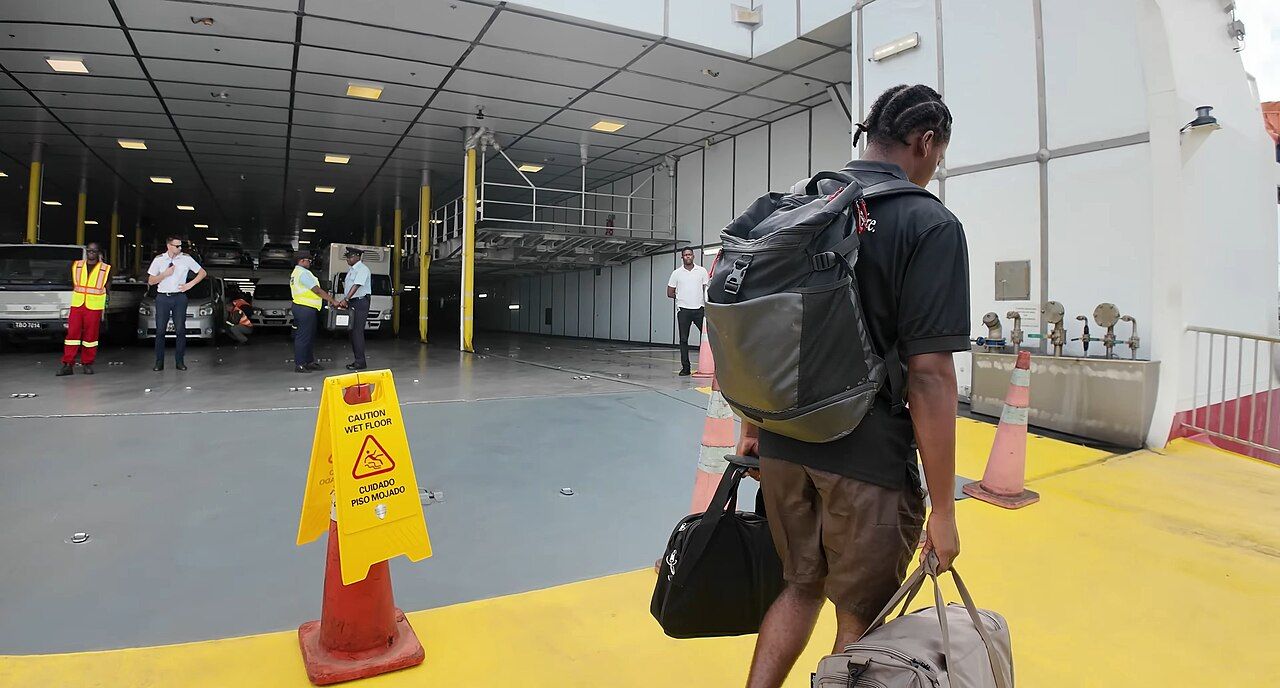
Two ways connect the islands. The inter-island ferry runs between Port of Spain and Scarborough, taking several hours depending on the vessel and the sea. Larger ferries carry cars as well as foot passengers, and seats are inside, with open decks on some boats. The crossing can be rough in some conditions. Tickets often sell out around holidays and weekends, so reserve early and check sailing times before you go.
Flights between Piarco International Airport in Trinidad and the airport near Crown Point in Tobago take around twenty minutes in the air, and fly several times a day. They are the quickest option, though seats also fill around holidays.
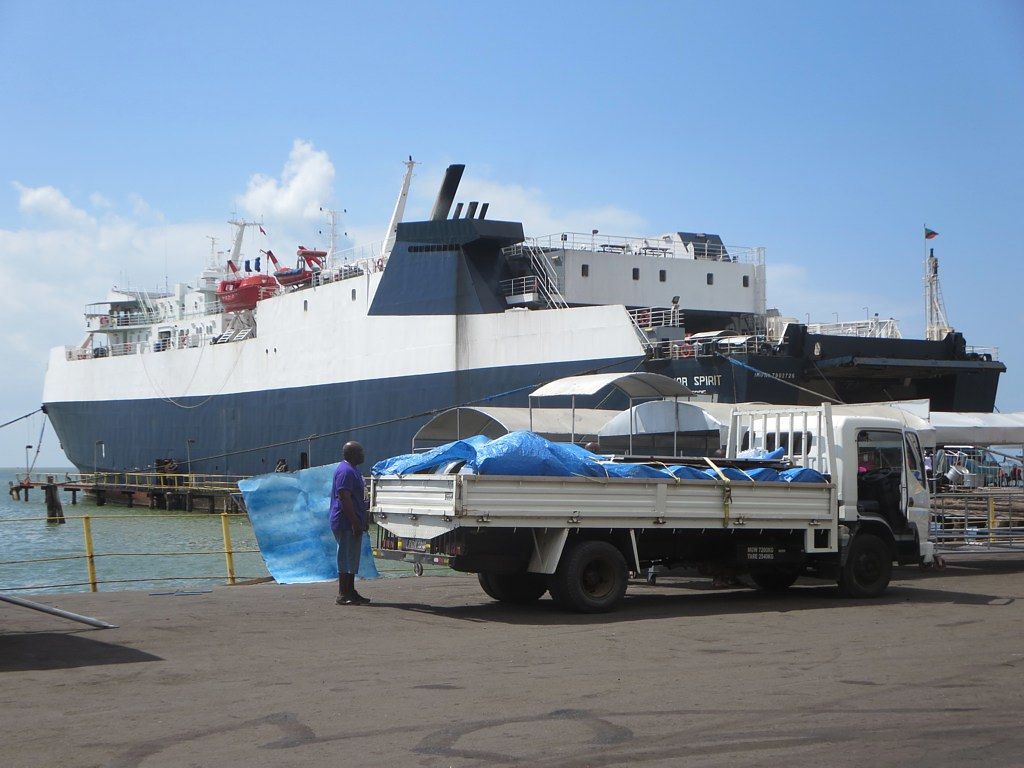
A water taxi service has run between Port of Spain and San Fernando across the Gulf of Paria, which avoids the road traffic on the long run south. Schedules and routes change, so check before you go.
Practical tips
- Carry small notes and coins; drivers may not have change for large notes.
- Ask other passengers about routes; most are glad to help.
- Arrange late-night transport in advance rather than waiting on the road.
- Keep bags on your lap in maxis and taxis, and phones out of sight.
Transport around the Carnival season is a different matter, with closed roads and very busy taxis; plan extra time. For the times of year when roads flood and when the sun is strongest, see seasons and safety.