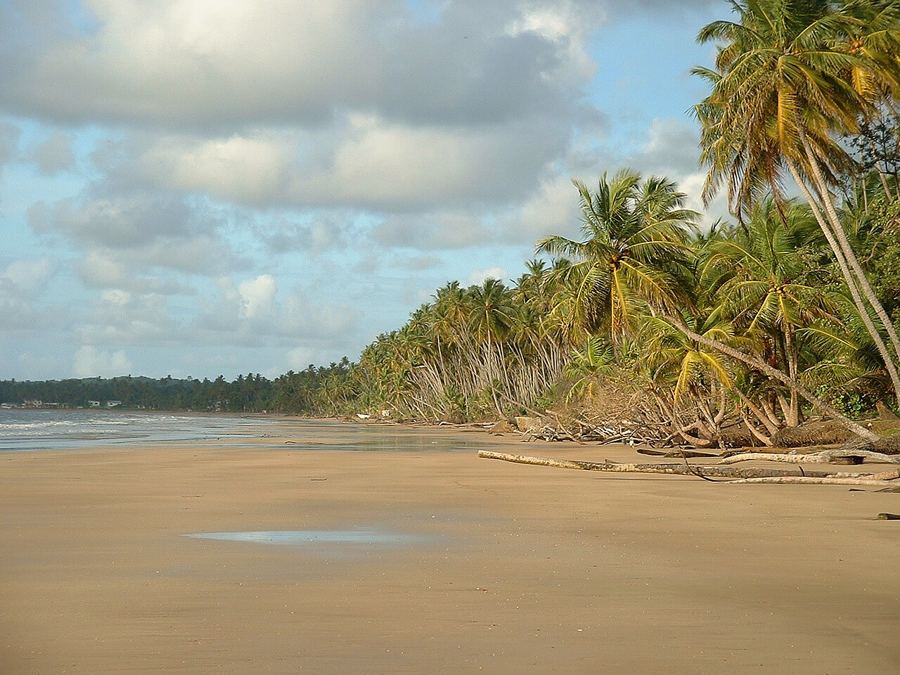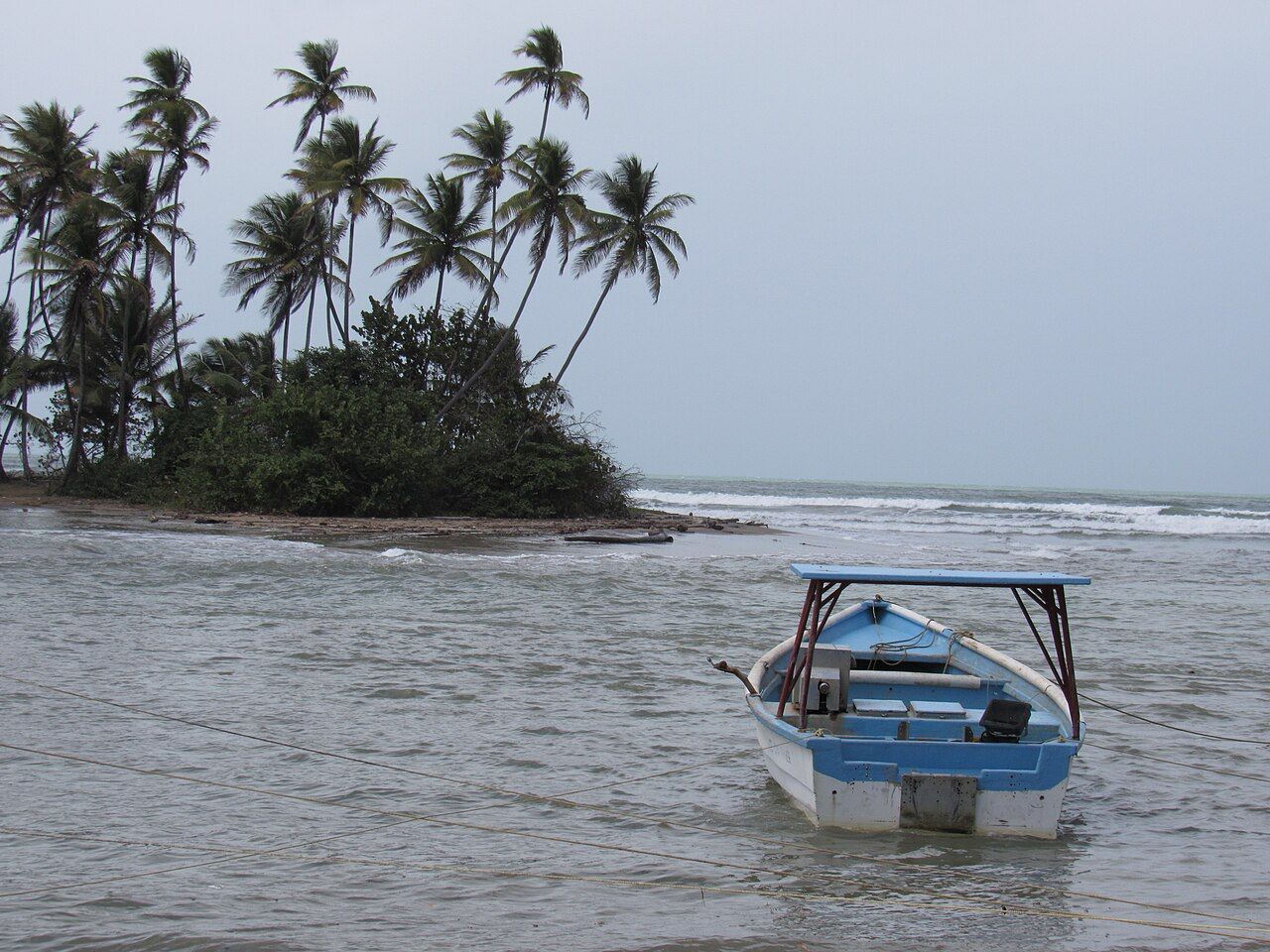
Manzanilla is where many people from the north and centre of Trinidad go when they want to see the open ocean. The drive east through Sangre Grande ends at a long, wide Atlantic beach backed by coconut palms, and from there the coast road runs south towards Mayaro. That road, lined for miles by palms, is known as the Cocal, from the Spanish word for a coconut grove.
A beach that goes on and on
Manzanilla Bay is a long sweep of sand facing the trade winds. The water is often brownish, coloured by sediment from rivers to the south, and the waves come in steadily from the Atlantic. It is not a calm, clear Caribbean bay, and it does not pretend to be. What it offers is space: room to walk for an hour with your feet in the wash, palms bent by the wind and very few buildings in view.
There is a public beach area near the northern end of the bay with basic facilities in the past, though what is open changes, so check before you go. Further south the beach becomes wilder. Driftwood, coconut husks and fallen trunks lie along the high-tide line, and on a weekday you may share a mile of sand with a few fishermen and a dog.
The Cocal road
South of the village the Manzanilla-Mayaro road runs along a strip of land between the sea and the Nariva Swamp. For much of the way it is a straight line through coconut palms, some of them planted generations ago as estate crops. The light under the palms is green and dappled, and the sound of the surf follows you the whole way.
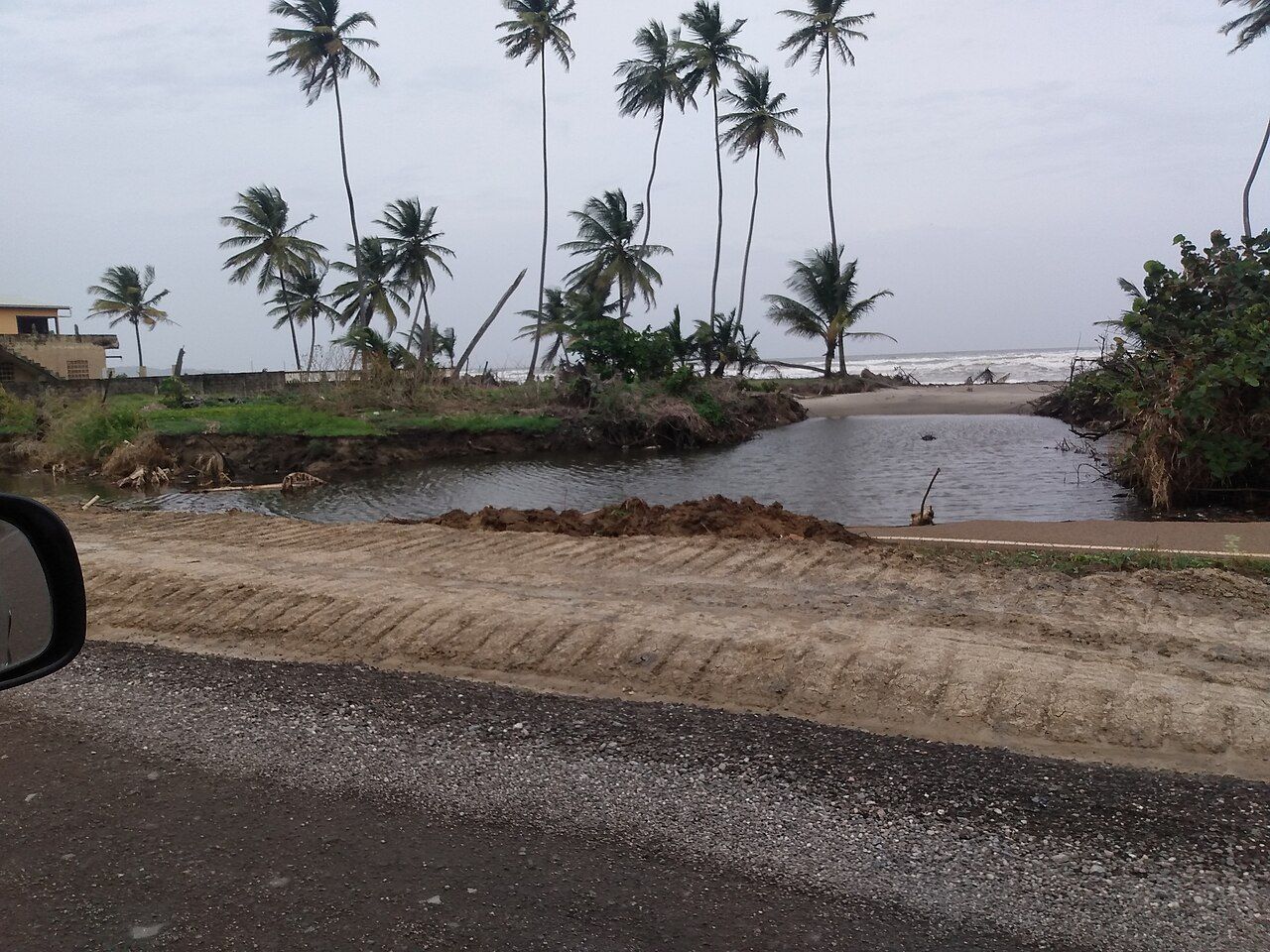
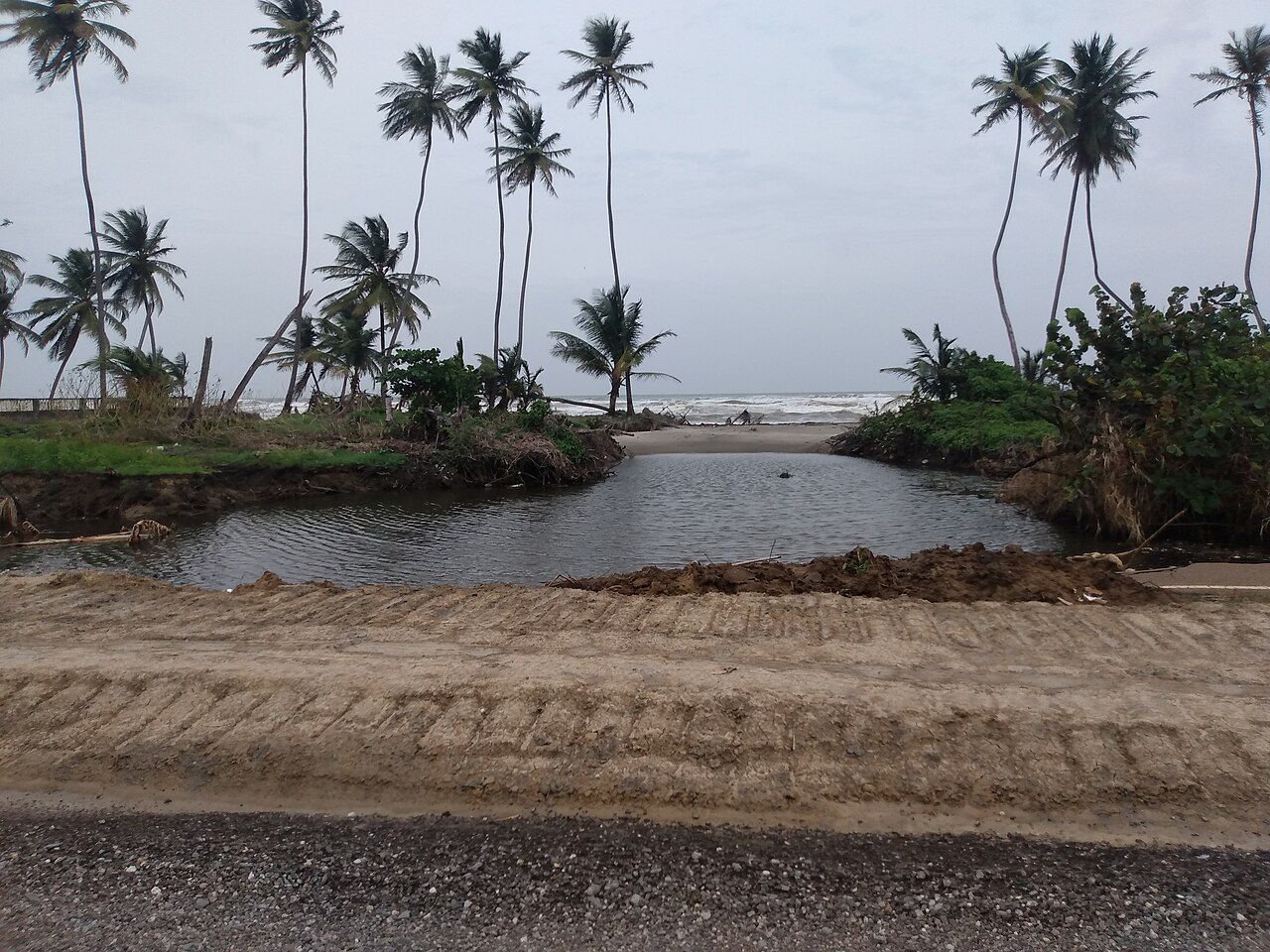
This is a fragile stretch of coast. The sea has been eating into the land for years, and heavy rains and high seas have damaged the road more than once. In late 2022 parts of the road were washed away during severe flooding, and sea water cut channels across it. Repairs follow damage, but conditions can change quickly, so check the state of the road before a trip, particularly in the rainy season.
Disease and storms have also thinned the palms in places. You will see dead trunks standing among the living ones and gaps where trees have fallen. It is still a beautiful drive, but it is a coast in motion, and part of the pleasure is seeing it as it is.
Swimming with care
The Atlantic beaches of the east coast are known for rip currents. These are strong channels of water flowing away from the shore, often in gaps between breaking waves, and they can carry even good swimmers out quickly. Lifeguards are not on every stretch, and the beach is long.
- Swim only where lifeguards are on duty, if they are, and follow their flags.
- Stay in your depth and keep children within arm's reach.
- If you are caught in a current, do not fight it head on; swim parallel to the shore until you are free, then come in.
- When the sea is rough or the flags say no, enjoy the beach from the sand.
Many local families paddle and play at the edge rather than swimming far out, and that is a good model to follow.
 Another lime · East coastNariva Swamp, the great wetland of the east
Sunday liming
To lime, in Trinidad, is to hang out with friends with no particular aim. Manzanilla on a Sunday is liming in its classic form. Families arrive with coolers, pots of pelau, a little music and folding chairs, and claim a patch of shade under the palms for the day. Children run in and out of the surf, someone starts a game of cricket on the sand, and the afternoon drifts on.
Holiday weekends, especially Easter, bring the biggest crowds of the year, and the road can be slow with traffic coming and going. Come early and leave before dusk if you want an easy drive home.
It is easy to join in the spirit of it. Bring more food than you need, find shade early, and keep your music to your own patch. Take your rubbish home with you; the beach has enough driftwood without plastic. Holidays and long weekends bring bigger crowds, while a weekday can feel almost empty.
Birds, fish and the swamp next door
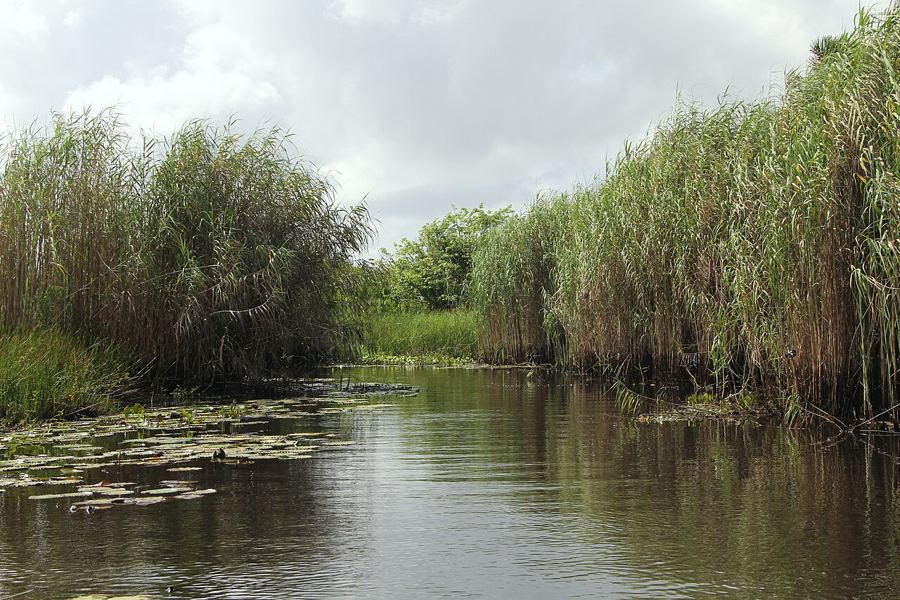
The swamp side of the road is worth a look. Herons and egrets stand in the wet ground, hawks sit on posts, and in the right season you may hear howler monkeys from the forest beyond. A proper visit to the Nariva Swamp needs a guide, but even a slow drive with the windows down shows you a lot.
On the sea side, fishermen work from small boats and from the beach. Where the river mouths meet the sea, boats are pulled up or moored in the shallows, and early in the morning you may see a catch being sorted. Buy fish only if someone is clearly selling, and keep a respectful distance from nets and lines.
Getting there and on
Most visitors drive, heading east to Sangre Grande and then on to the coast. Route taxis and maxi taxis, the shared minibuses that run fixed routes, reach the area too, though services are thinner on weekends and evenings; the guide to getting around Trinidad explains how they work. Fill up with fuel before you leave the larger towns.
From Manzanilla the Cocal leads on to Mayaro, so you can make a loop of the east coast in a day. Start early, stop often, and leave the afternoon free for the beach.