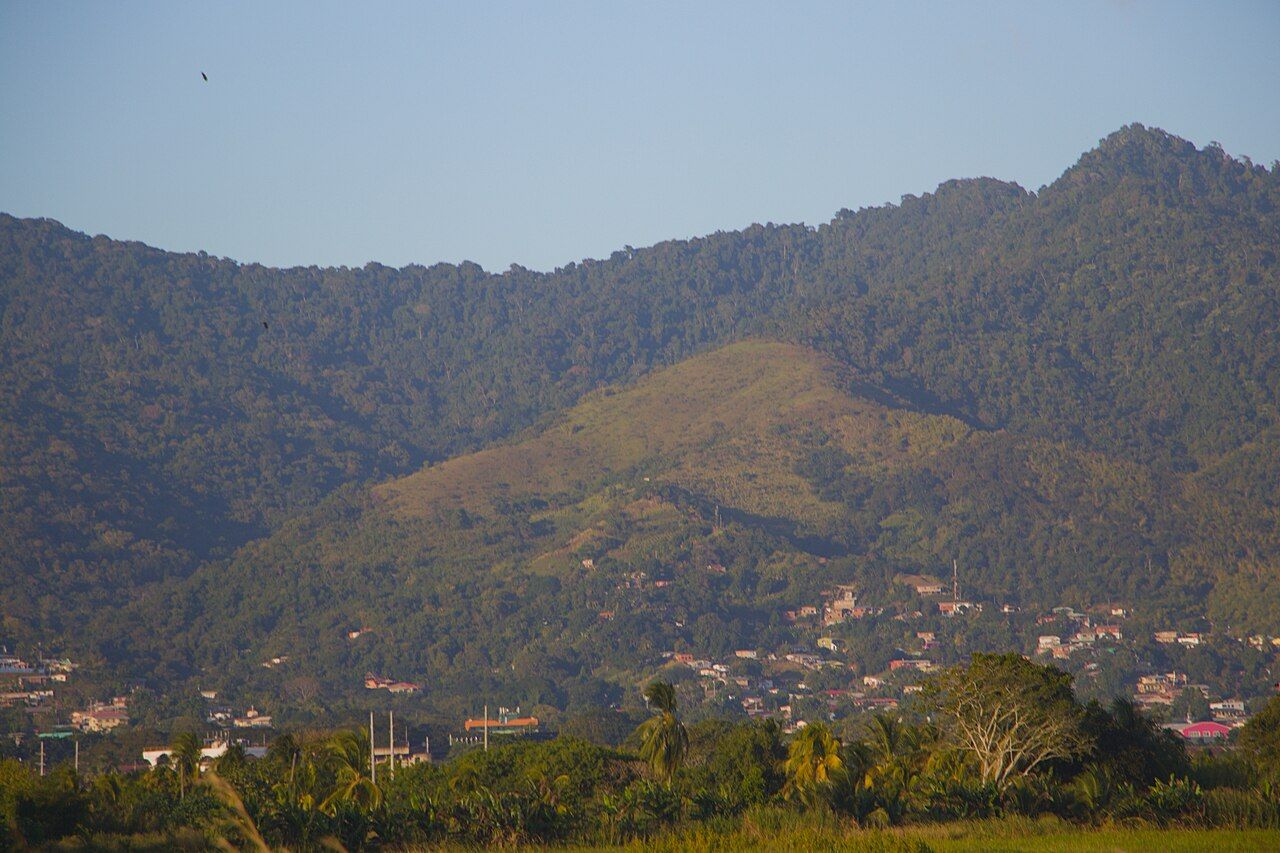
Trinidad and Tobago sit close to the South American mainland, a little over ten degrees north of the equator, which gives them a warm climate year round. Temperatures stay fairly even through the seasons; what changes is the rain. Knowing the rhythm of the year, along with a handful of simple habits for sun, sea and city, makes travel here easy and calm.
The dry season
The dry season runs roughly from January to May. Days are sunny and warm, rain is light and occasional, and the humidity eases a little. It is the most popular time to visit, coinciding with the Carnival season in February or March, and the clear skies suit beach days, boat trips and birding. The flowering trees, especially the bright yellow poui and the orange-red immortelle, colour the hills in the early months.
Later in the dry season, the land browns, rivers drop and some waterfalls shrink to a trickle. Bush fires can break out on dry hillsides. Water is scarce in some areas at this time, so use it with care. The heat at midday is intense, and shade becomes valuable.
The wet season
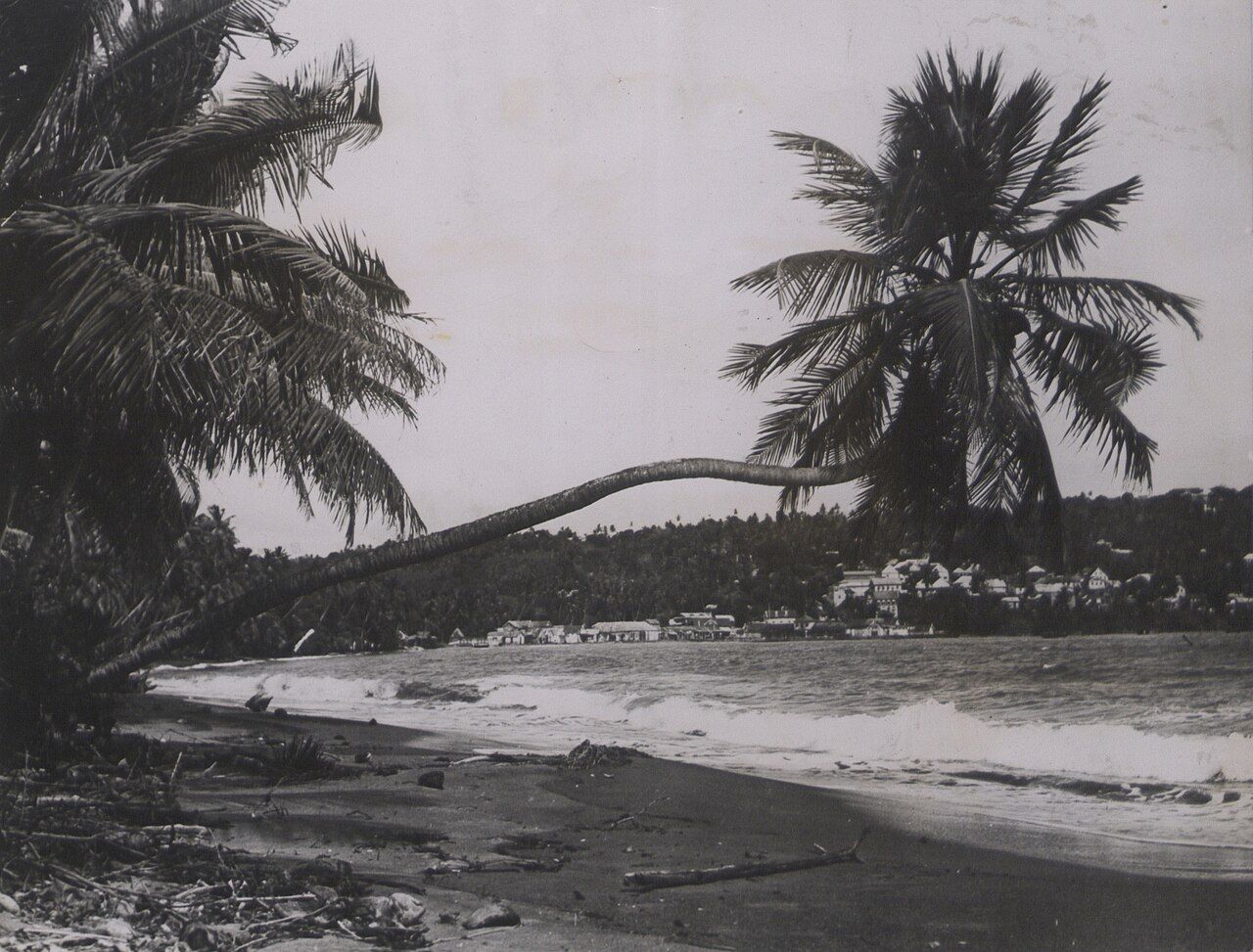
The wet season covers roughly June to December. Rain often comes in heavy afternoon showers that pass quickly, leaving the rest of the day bright, though there are also spells of grey, rainy days. The forest is at its greenest, rivers and waterfalls are full, and the air is heavy and warm. A short, drier spell often arrives around September or October, known locally as petit carême.
The rain affects travel. Roads in some areas can flood quickly after heavy downpours, landslides occasionally close mountain roads, and trails turn muddy. It is wise to build slack into your plans, start outdoor activities early in the day, and check local weather before setting out. The wet season is also when some wildlife is most active, and it is a calm, less crowded time to visit.
 Another lime · TobagoThe Main Ridge Forest Reserve and Tobago's northeast
Hurricanes and storms
The islands lie at the southern edge of the Atlantic hurricane belt, and hurricanes are much less frequent here than further north in the Caribbean. That is why many yachts shelter in Trinidad during the season. Less frequent does not mean never: tropical storms and occasional hurricanes have affected the islands, and Tobago in particular has been hit in the past. The Atlantic season runs from June to November. If you travel then, watch forecasts and follow local instructions if a storm approaches.
Sun, sea and rivers
The tropical sun is strong all year, even on cloudy days. Use a high-factor sunscreen, wear a hat and light long sleeves, and drink plenty of water. The hours around midday are best spent in the shade.
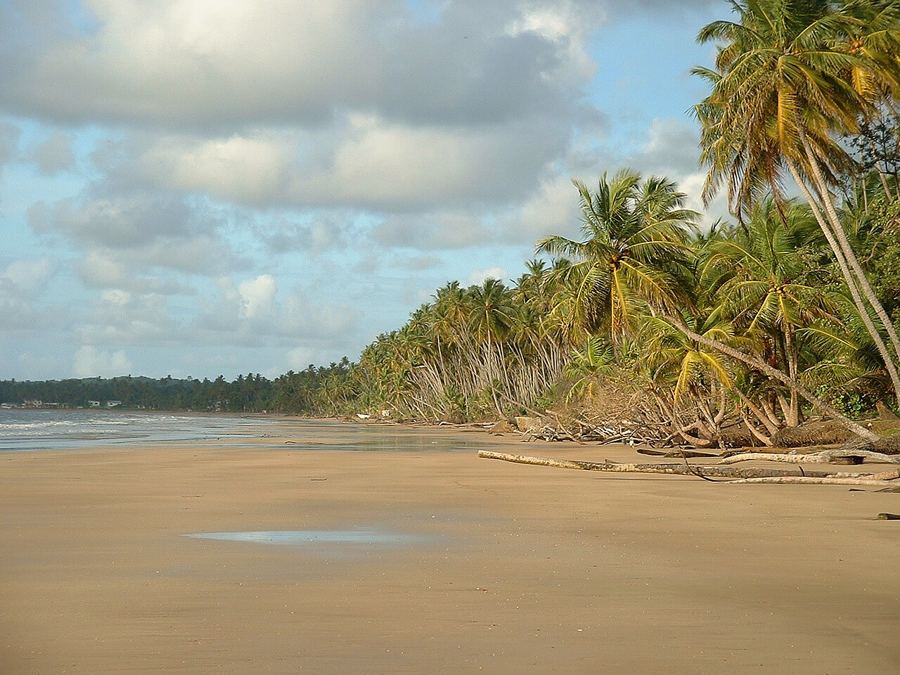
The sea needs respect. Beaches on Trinidad's Atlantic east coast, such as Manzanilla and Mayaro, have strong surf and rip currents. A rip is a narrow channel of water flowing out to sea; if you are caught in one, do not fight it by swimming straight back to shore. Swim parallel to the beach until you are out of the current, then head in. Swim where lifeguards are on duty when possible, and watch for flags and local advice. The north coast can also have strong currents, especially in the winter months when swells arrive.
Rivers and waterfalls can be dangerous after rain. Flash floods can come down quickly from the hills, even when it is not raining where you are. If water rises, turns brown or starts carrying debris, leave the riverbed at once. This applies to popular walks such as Rio Seco and the falls of the Northern Range.

Insects and health
Mosquitoes are present throughout the year, especially at dawn and dusk and in the wet season. Some carry illnesses such as dengue. Use insect repellent, wear long sleeves and trousers in the evenings, and sleep under a net or in screened rooms. Sandflies are common at beaches and in mangroves in the late afternoon. Talk to a doctor or travel clinic about vaccinations and health precautions before you go.
Pack light, breathable clothing for the heat, a thin waterproof for sudden showers, and sturdy shoes for trails that turn slippery. A refillable water bottle saves buying plastic. Medicines you rely on should travel in your hand luggage with a copy of the prescription, and a small first-aid kit covers the scrapes and stings of beach and forest days.
City habits and current advice
Most visits pass without trouble, and the usual sensible habits of any city apply. Keep valuables out of sight and leave expensive jewellery at home. Use registered taxis, especially at night, and arrange your transport home in advance. Carry only what you need for the day. Avoid quiet streets and isolated beaches after dark, and keep an eye on your bag and drink in crowded places. In remote areas, go in a group and let your accommodation know your plans.
Conditions and advice change, so before travelling, read your own government's current travel advice for Trinidad and Tobago and check it again close to departure. Take out travel insurance that covers medical care. Locals are usually helpful if you ask for directions or advice, and it is worth asking where you are staying about the area. For moving between places, see getting around Trinidad.